

MOS Concept
Anyone who has studied “management” in school probably remembers learning about the four functions of management. The terminology can vary, but these functions are often referred to as “Plan, Organize, Lead, and Control,” and are viewed as representing a closed loop process. Furthermore, these recurring functions are visualized as cascading from the top of the enterprise all the way down to each individual unit. Simple enough, right?
The “good news” is that as organizations have grown in size, scope, and complexity, numerous enabling technologies have emerged to assist in managing each individual business process. At this point, robust solutions are in place for processes such as customer relationship management, finance and administration, human capital management, manufacturing operations, supply chain, vendor management, various industry-specific functions, etc. Even better, as newer agile cloud-based solutions emerge, we are seeing ever-increasing advances in ease of use, the power of the analytics, Artificial Intelligence, etc.
So what is the “bad news”? The problem is that despite all of today’s process maturity and functionality, the corporate and public sector “train wrecks” just keep on occurring. There is hardly a day that goes by in which there is not yet another unpleasant surprise. GMI’s point of view is that this is due to the fact that most overall management processes have never been appropriately architected to deal with today’s unprecedented velocity of change and increasingly complex and demanding environment.
We believe that the only solution is to replace currently disconnected, inefficient, and poorly designed approaches with holistic Management Operating Systems, comprised of those governance processes, frameworks, tools, and behaviors needed to systematically (a) Develop the Right Strategy, (b) Focus on Objectives & Key Results, (c) Take the Right Actions, and (d) Support Fact-Based Management.
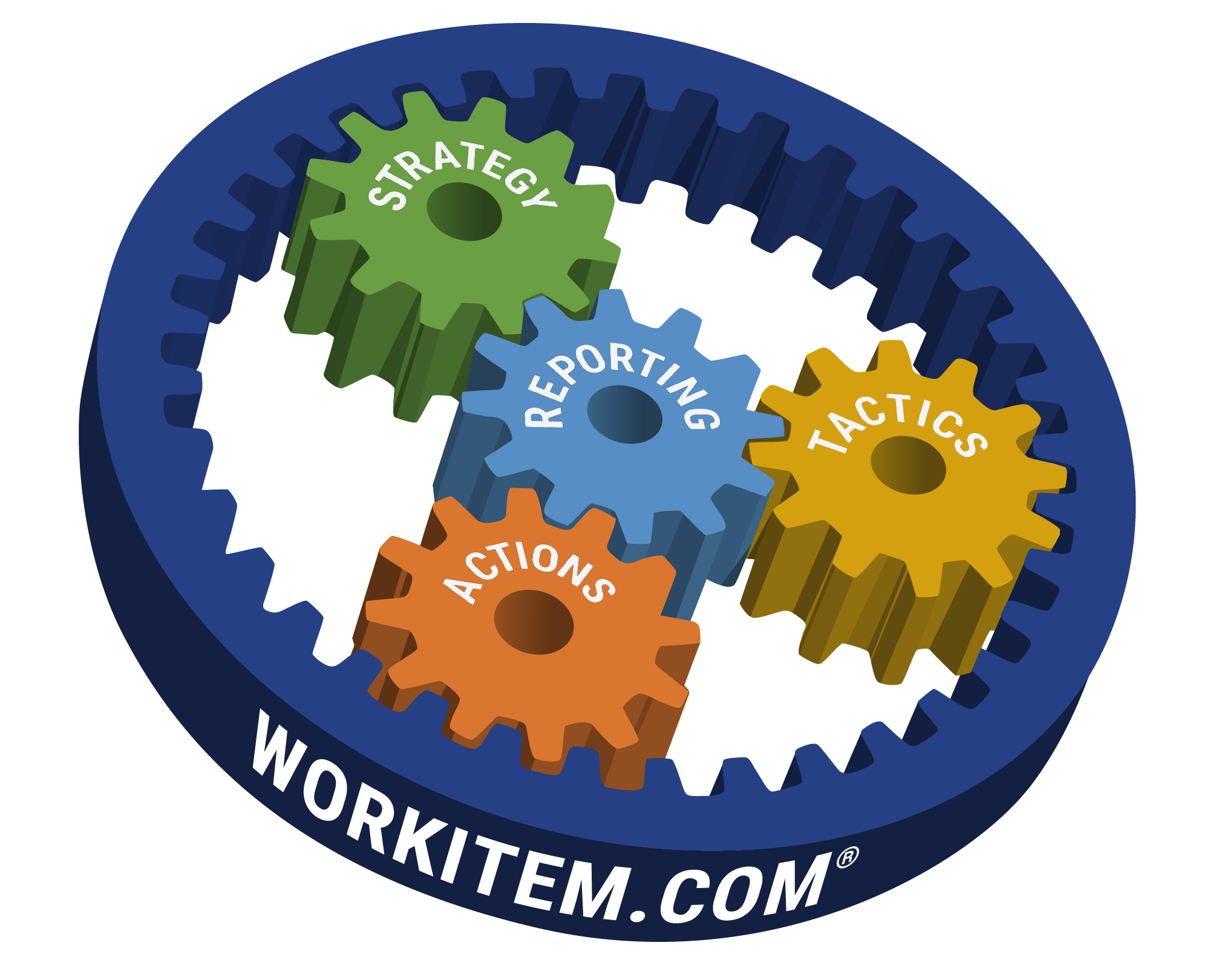
Our STAR (Strategy, Tactics, Actions, & Reporting) methodology is shown below.
Strategy
- Strategic Context and Dynamic Strategy Maps
- Crisp Entity Mission and Vision
- Strengths, Weaknesses, Opportunities, and Threats
- Strategic Innovation
Reporting
Support Fact-Based Management
- Holistic Reporting Frameworks
- Robust Quantification Methodology
- Integration with Existing Data
- Repositories and Systems of Record
- Right-Time Monitoring and Testing
Tactics
Focus on Objectives & KRs
- OKR Specification, Risk Management, and Linkages
- Robust OKR Prioritization (Based On ROI, Interdependencies)
- Resource Allocation, Shifts and Tradeoffs
- Clear Accountability
Actions
Take the Right Actions
- Issue Identification, Analysis, and Alignment
- Action Plan Innovation and Knowledge Sharing
- Action Tracking and Remediation
- Post-Implementation Reviews